Waterproof Roofing · Homeowner guide
Begin with the condition beneath the surface
An older Oakhurst roof may look worn without needing the same solution as every other aging roof. Coating can be considered for certain serviceable systems, but it should follow a condition assessment. A new surface cannot make compromised supporting materials sound again.
Ask how the roof will be checked for wet areas, deterioration and compatibility with the proposed product. A moisture survey or other investigation may be useful. The important result is a documented explanation of whether the roof is a suitable candidate and what work must happen first.
Preparation belongs in the estimate
A restoration proposal should make preparation visible. Existing leaks may need repair, wet components may need replacement, and seams or flashings may need attention. Cleaning and an adhesion test can help establish whether the selected coating will bond to the actual surface.
Ask whether the roof already has a coating and how that affects the choice. Products have their own requirements for preparation, application and curing. A proposal that names only the coating and a price gives you too little information to compare the work.
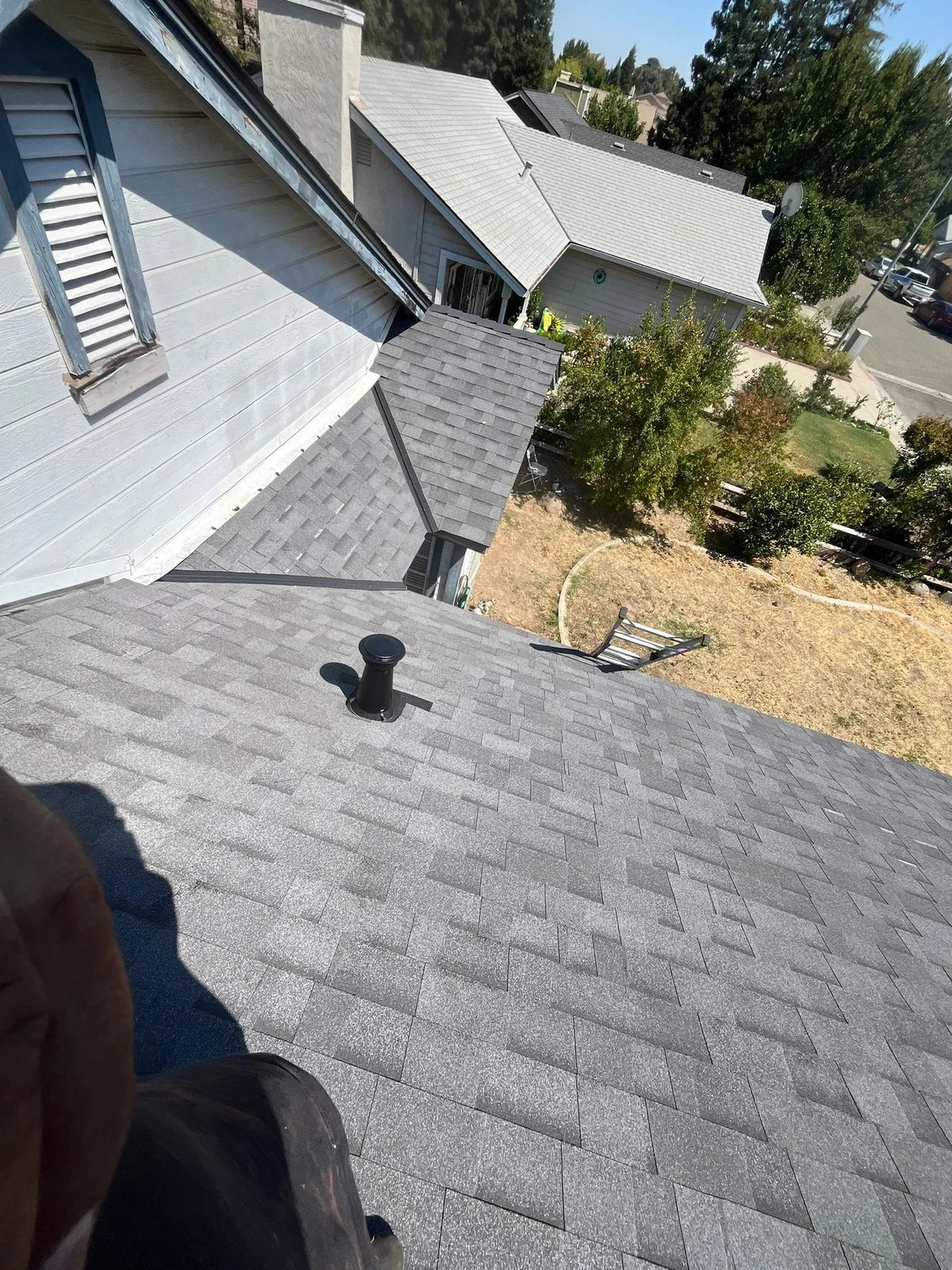 A closer look at the roof in front of you.
Take drainage and reflectivity seriously
Coatings differ in how they tolerate standing water. The product should be selected with the drainage condition in mind, and the cause of ponding should be assessed. A coating should not be presented as a universal correction for poor drainage.
A reflective roof surface can absorb less solar heat than a darker surface. The effect on energy use depends on the building, insulation, climate and other conditions. A white finish alone cannot establish a dollar saving on your next bill. Treat savings estimates as assumptions to examine, not a guaranteed return.
Know which roofs need another approach
Do not assume a coating recommended for a commercial membrane also suits asphalt shingles. ARMA advises against applying field coatings over installed asphalt shingles. Material identification should come before any sales claim about extending roof life.
If repairs are extensive, compare restoration with replacement using a complete scope for each. Include the condition that would remain beneath a restored roof, the maintenance required and the terms of any product or workmanship coverage.
Build a restoration comparison that shows retained conditions
For each proposal, make a short list of the roof components that remain, areas that will be removed and details that will be repaired before coating. Put drainage findings on the same list. This lets you see whether two restoration offers rely on different assumptions about the existing assembly, even if they name a similar finished product or cover the same measured roof area.
Next, ask what condition supports retaining each major area and whether any uncertainty needs investigation before approval. If one option requires extensive repair, compare that complete scope with replacement. The useful distinction is not simply the amount of material applied: it is what has been corrected, what remains underneath and what future attention the retained assembly may need.
Ask how the selected product changes the work sequence
Preparation, detail repair and the main coating application need a sequence suited to the system. Ask when the surface will be assessed as ready, which weather and curing conditions apply and when normal roof access may resume. These are product-specific questions to resolve from the proposed material information, not dates that can be assumed before the roof and system have been selected.
Keep that sequence with the maintenance and warranty information. A later repair or recoating discussion should begin with the installed product and the documented surface beneath it. Ask which cleaning, inspections or other care the written terms call for and who will retain the completion records. This makes future decisions about compatibility more informed than trying to identify an old coating from its appearance alone.
Questions for your coating proposal
Use the inspection to make the choice specific to your roof. Keep the product information and written work description so future repairs can use compatible materials.
- Which existing roof material and coating were identified?
- What repairs and preparation are included before application?
- How will drainage concerns be addressed?
- What maintenance, exclusions and claim steps appear in the written warranty?
- GAF: Roof coating versus commercial replacement
- GAF: Coating guidance for roofs with poor drainage
- GAF: Energy cost analysis of cool roofs
- ARMA: Coating asphalt shingles after installation
General guidance helps you prepare. A recommendation for your property depends on its roof and the applicable product instructions.
Talk about your roof.
Waterproof Roofing serves Fresno, Madera, Visalia, Merced and Hanford, with additional service in Clovis and nearby communities. Call (559) 770 3064 to discuss your property.
Get a free estimate