Waterproof Roofing · Homeowner guide
A leak needs an explanation before a product
When water appears inside a Sanger home or building, it is tempting to ask for the strongest sealant available. A better first step is to identify the roof detail involved. A cracked surface, an open connection and damage below the covering are different problems. They may need different work even if the indoor symptom looks similar.
Record when the water appeared, the rooms affected and any earlier repairs. Share photographs taken from a safe location. If the roof was recently worked on, bring the invoice or description of that work. This helps the roofer investigate a pattern rather than start with an assumed diagnosis.
Understand what manages the water
On a shingle roof, underlayment provides protection beneath the covering, while flashing directs water at roof connections. Leak barriers may provide additional protection in selected areas such as valleys and around penetrations. These parts need to fit into the complete roof assembly.
A low-slope roof uses a different arrangement of membrane, seams and details. Roof drains and other outlets also matter. The words roof waterproofing can describe several kinds of work, so ask which component the proposed treatment is intended to repair or improve.
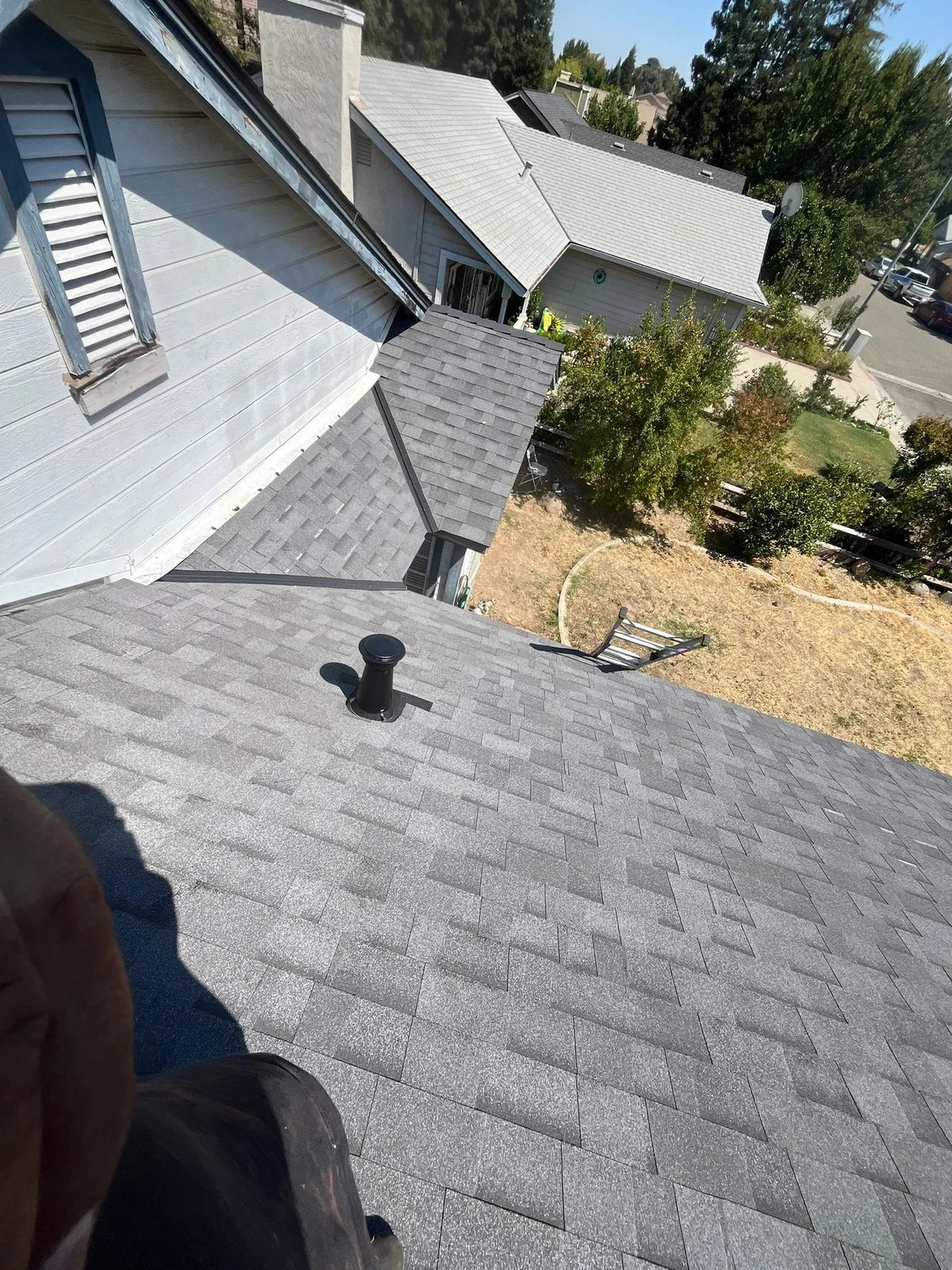 A closer look at the roof in front of you.
Ask whether a surface treatment is appropriate
A compatible repair material can be useful at an identified defect. Applying it over a dirty surface, an unsuitable old coating or damaged material can leave the original problem unresolved. If a coating is proposed, ask how the roof will be checked for moisture and how the surface will be prepared.
Some roofs require damaged layers to be removed. Others may need a new flashing connection rather than another application over an old repair. The estimate should explain that choice without promising that a single product is suitable for every roof.
Read the scope as carefully as the price
A useful proposal identifies the locations, materials and preparation included. Ask whether the work addresses a limited area or the full roof, and whether the price includes any needed access or removal. If there is a temporary measure followed by a later repair, each stage should be clear.
- What condition did the inspection find, and where?
- What will be removed, repaired or left in place?
- What could change the scope once the area is opened?
- What follow-up and written coverage apply to the completed work?
Create a short record for each connection under review
Give each affected detail a simple location, such as the wall beside a particular room or the pipe penetration shown in a photograph. Beside that location, record the observed condition and the action proposed. Keeping those items together helps you distinguish a finding that supports repair from a nearby detail included only as a precaution or an area that still needs investigation.
Ask the contractor to explain how the detail connects with the neighboring roofing. A flashing repair can extend beneath visible material, while a membrane connection depends on the surrounding surface. The record should show whether the work includes opening and restoring those adjacent components. That makes the estimate easier to understand than a list of products with no explanation of where or why they will be used.
Review preparation and completion as separate questions
Before a treatment is applied, ask which existing materials must be removed or cleaned and whether a primer or other preparation is specified for the selected system. Previous repairs may change the surface the new material meets. Product compatibility, application conditions and required curing should be considered using the actual material information rather than assuming all sealants or coatings have the same requirements.
For completion, ask what record will show the work performed at each identified location and what access or later care the material requires. If one stage provides temporary protection, keep its limits separate from the final repair description. When an unresolved condition needs a later visit, record that next step explicitly so a finished-looking surface does not obscure work that remains to be assessed.
Keep evidence after the work
Save the photos, written scope and repair record together. If water returns, those records can help distinguish an unresolved detail from a new issue. A clear history is useful for future maintenance and for deciding when repeated repairs deserve a broader assessment.
- GAF: Leak barriers for vulnerable roof areas
- GAF: Roofing accessories and system components
- GAF: Commercial roof coating systems
General guidance helps you prepare. A recommendation for your property depends on its roof and the applicable product instructions.
Talk about your roof.
Waterproof Roofing serves Fresno, Madera, Visalia, Merced and Hanford, with additional service in Clovis and nearby communities. Call (559) 770 3064 to discuss your property.
Get a free estimate