Waterproof Roofing · Homeowner guide
Track the problem before comparing repair prices
A recurring leak at a Coarsegold business can become a series of repair invoices without a clear account of what failed. Start by keeping a simple log. Record the indoor location, when the leak happened and whether any rooftop equipment was recently serviced. Add earlier work descriptions if you have them.
This record does not replace an inspection. It gives the inspection a useful starting point and helps the owner judge whether the proposed repair addresses the same issue as earlier work or a different one.
Identify the roof material
Low-slope roofs can use single-ply membranes, asphaltic materials or a coating over an older system. The type matters because the connections and repair materials differ. TPO, for example, uses heat-welded seam details, while other systems require different methods.
Ask the roofer to identify both the main roof covering and any prior repair material. A patch should be compatible with the surface it joins. An apparently small defect may also require inspection of the material below it before a repair method is chosen.
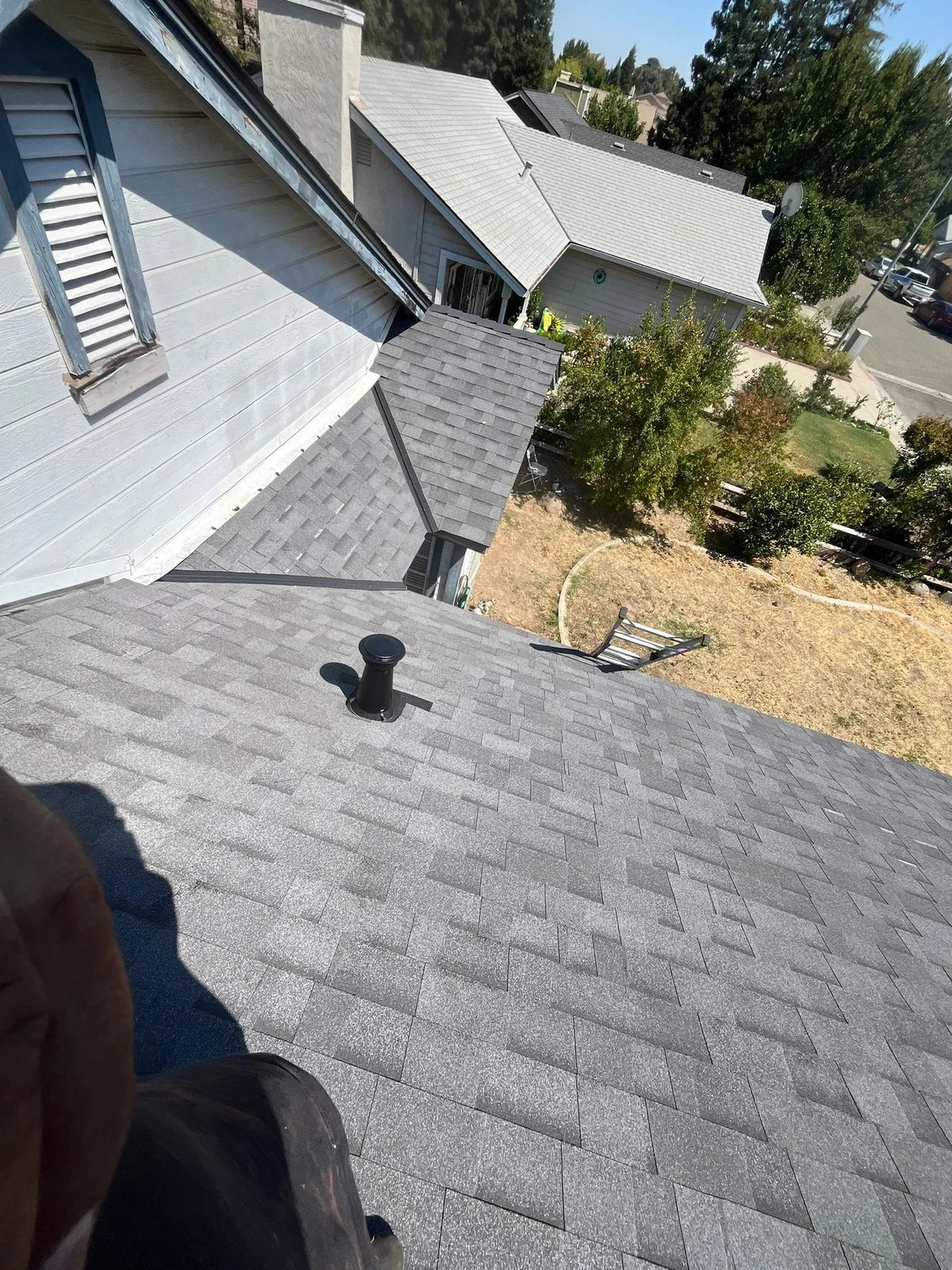 A closer look at the roof in front of you.
Look at the pattern, not only the wet spot
Roof edges, equipment curbs, drains and penetrations deserve attention alongside the open roof surface. A localized defect may allow a limited repair. Repeated failures across several areas can justify a broader assessment of roof condition and remaining options.
If there are concerns about wet insulation or concealed damage, ask whether a moisture survey or selected opening would help. Also ask what the method can and cannot confirm. The goal is to define the affected area, not simply add testing without explaining its purpose.
Compare the scopes on equal terms
One estimate may cover an identified patch while another includes removal of damaged material and work at nearby details. Those are different scopes. Ask each proposal to state the areas included, the repair materials, the preparation and any excluded condition.
Replacement or restoration may be worth comparing if repairs are becoming extensive. Neither should be presented as inevitable because a roof has reached a particular age. Building use, actual condition and the feasibility of a sound repair are more useful points of discussion.
Turn occupant reports into a useful repair history
If several rooms or tenants report water, give each indoor location a consistent name on the building plan. Record the event date, any photographs and whether that place has been repaired before. Keep the roof work description linked to the same record. This helps the manager and roofer compare later reports without assuming that different names for an area represent different leaks.
Use the history to ask whether the current recommendation addresses a recurring condition or a newly observed defect. Timing around equipment service is helpful context, but it does not establish the cause without inspection findings. A good record preserves what occupants actually observed and leaves the technical explanation to the assessment instead of presenting an assumption as a confirmed roof failure.
Separate repair completion from whole-roof maintenance
For each completed location, request the repair material, preparation and boundaries to be identified. Keep notes about nearby conditions that were reviewed but excluded. A repaired seam or curb is a specific area of work; its completion should not be recorded as proof that every section of the commercial roof has been renewed or that no other condition requires attention.
Use the remaining observations to plan later maintenance and access around equipment. Review the roof's existing documents for any repair notification or care requirements, and keep subsequent service records in the same file. When a new concern appears, the next visit can then start with the assembly information and previous work rather than repeat material identification and repair-history questions from the beginning.
Coordinate the work with the building
Before scheduling, identify restricted areas, tenant communication needs, equipment access and responsibility for any shutdowns. Keep the completed repair description with the roof records. If a warranty is already in place, confirm the required repair and notification process before work proceeds.
- Request photographs that locate the defects and completed work.
- Agree how newly discovered damage will be reported.
- Discuss future maintenance access around roof equipment.
- GAF: TPO roofing membranes
- GAF: Commercial roofing materials
- Carlisle SynTec: Building owner resources
- GAF: Scheduled commercial roof maintenance checklist
General guidance helps you prepare. A recommendation for your property depends on its roof and the applicable product instructions.
Talk about your roof.
Waterproof Roofing serves Fresno, Madera, Visalia, Merced and Hanford, with additional service in Clovis and nearby communities. Call (559) 770 3064 to discuss your property.
Get a free estimate