
Waterproof Roofing · Homeowner guide
Start with the shape you can see
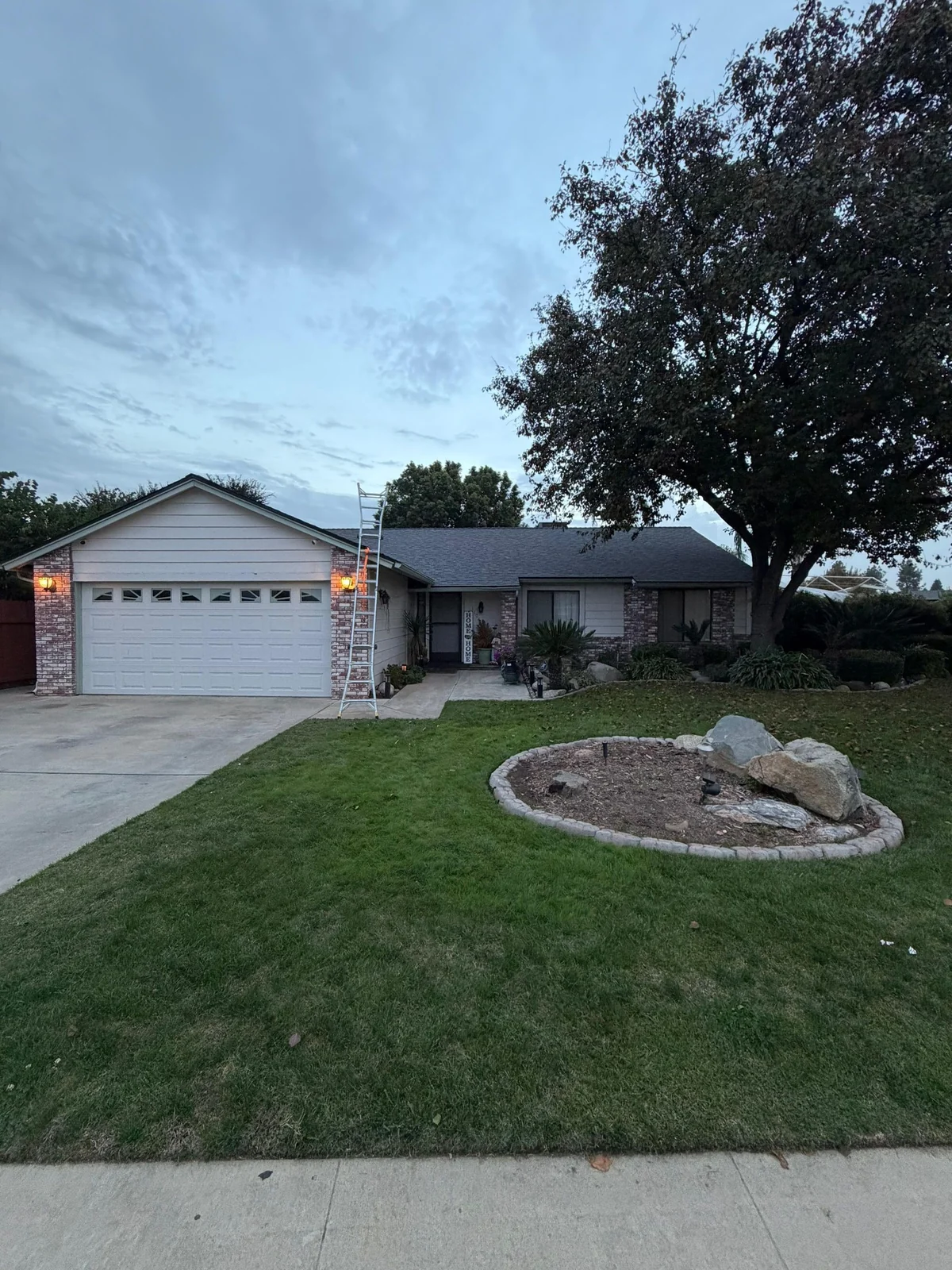
A gable roof has two principal slopes meeting at a ridge, with triangular wall ends. A hip roof slopes toward the walls on all sides. Many homes combine forms, so an addition or garage can have a different shape from the main house. Looking at the outline helps you describe the property when arranging roofing work.
Shape and material answer different questions. A roof can have a gable shape and an asphalt shingle covering, or several slopes covered with tile. Ask a roofer to identify each section on a photograph or simple plan. This is especially useful when a repair concerns a smaller lower roof that is easy to overlook from the street.
Name the edges and the places slopes meet
The ridge is the high meeting line between roof slopes. A hip is an outward sloping intersection; a valley is the inward channel where roof planes meet. The eave is the lower edge, while the rake follows the sloping side of a gable. Those names help connect an inspection finding with a recognizable location.
A valley repair and an edge repair can involve different connections even when both use the same roof covering. Ask the proposal to locate the work and show where it stops. A marked photo can be easier to follow than a list of unfamiliar terms, and it gives you a useful record if another roof area needs attention later.
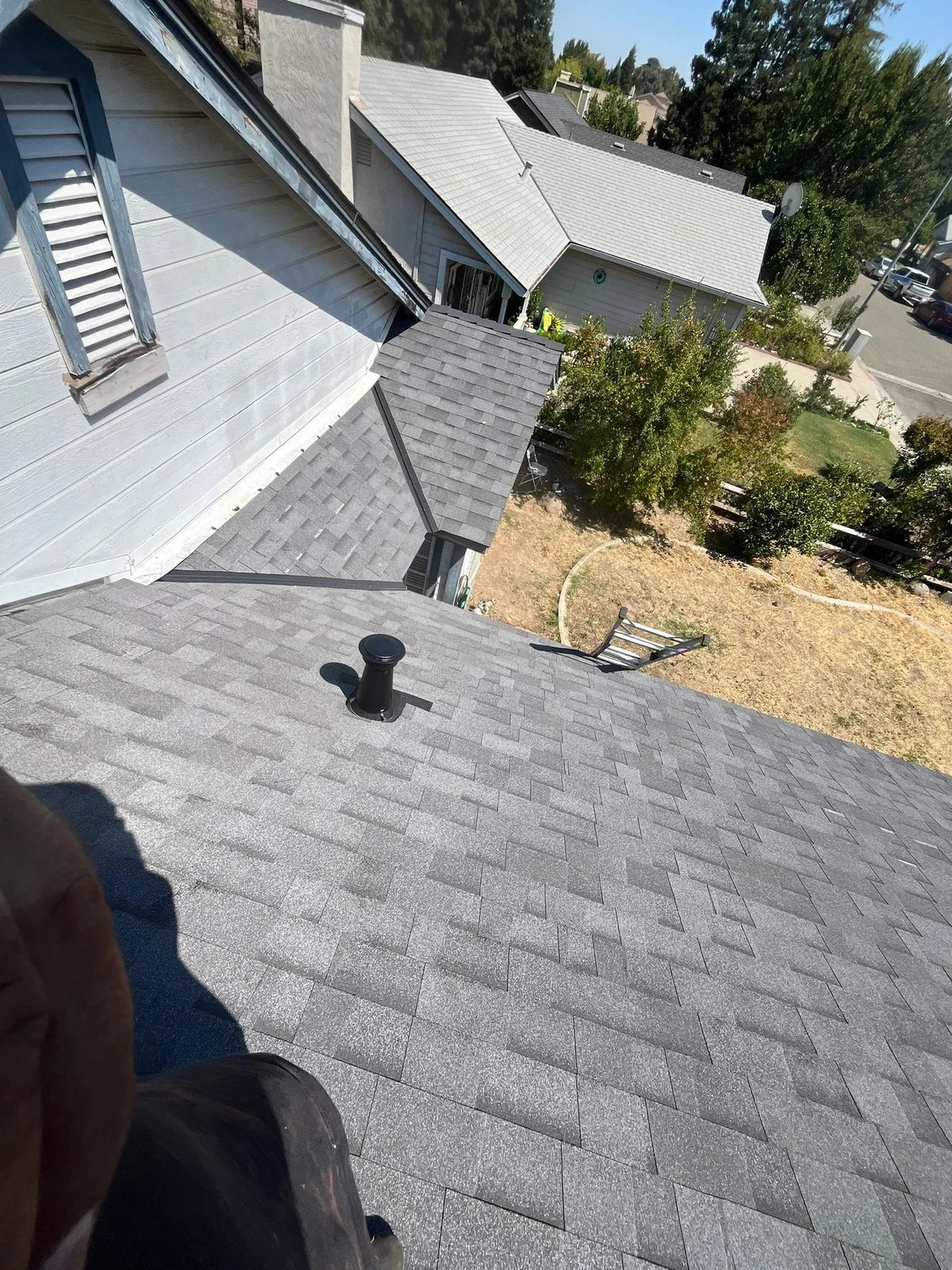 A closer look at the roof in front of you.
Look beneath shingles or tile
The roof deck supports the roofing above it. Underlayment sits beneath the visible covering and provides another layer in the water-management assembly. Shingle systems can also include starter strips at edges, ridge or hip caps and other specified accessories. Their selection should fit the roof and the product requirements.
Tile also has important components beneath the pieces you see. If underlayment or another concealed detail needs attention, work may involve lifting tile even where much of the covering appears intact. Ask which layers are being renewed and whether retained materials are suitable. That distinction explains why similar-looking completed roofs can represent different projects.
Follow the connections around openings
Flashing directs water at vulnerable transitions such as walls, chimneys and roof penetrations. Pipes, skylights and equipment mounts interrupt the covering, so their surrounding details need to connect with the rest of the assembly. Drip-edge material and other edge components also have specific roles in the proposed system.
When a leak is reported, ask which connection is involved and what evidence supports the recommendation. Water can travel before appearing as an indoor stain. A useful repair explanation links the symptom to a roof detail, identifies accessible observations and makes any remaining uncertainty clear enough to discuss the next step.
Use roof vocabulary to read the estimate
Read a reroof proposal in the order the work happens: removal, assessment of the exposed deck, supporting layers, covering and connections. Then identify any ventilation, drainage or equipment coordination included. Put a question beside any component whose treatment is unclear, especially where old material is intended to remain.
For a repair, use the same approach within the affected area. Ask what must be lifted to reach the problem and how the repaired portion will join the existing roof. Agree how concealed damage will be photographed, priced and approved. Keep the final description with product and warranty information so the names refer to what was actually installed.
For example, if a roofer recommends work at a valley beside the garage, ask them to point to the same place on a photo. Then ask whether the repair includes only the visible covering or also the flashing and underlayment there. You do not need to memorize every term. Being able to connect the name, location and included work makes the proposal much easier to understand.
- Ask for a roof photo or plan showing ridges, valleys and repair locations.
- Identify the covering separately from underlayment and supporting components.
- Check which flashing, edges and penetrations are included in the work.
- Retain the final material list and a record of any approved changes.
- GAF: Parts of a roof
- GAF: Roofing glossary for homeowners
- GAF: Gable and hip roof shapes
- Eagle Roofing: Understanding tile roof underlayment
General guidance helps you prepare. A recommendation for your property depends on its roof and the applicable product instructions.
Talk about your roof.
Waterproof Roofing serves Fresno, Madera, Visalia, Merced and Hanford, with additional service in Clovis and nearby communities. Call (559) 770 3064 to discuss your property.
Get a free estimate