
Waterproof Roofing · Homeowner guide
Record what is happening inside
A ceiling mark, newly appearing moisture or a repeat leak can provide useful information when its timing and location are clear. Note the room, when the symptom first appeared and whether it returns during every rain. If an old stain has remained unchanged, distinguish that history from a new episode of water. Dated indoor photographs can help show the difference.
An interior mark identifies where water became visible, not necessarily where it entered the roof. Water can travel through the assembly before reaching that location. Tell the roofer what you observed without deciding that the repair belongs directly above the stain. Previous repair dates and the effect of those repairs are useful context for the investigation.
Describe visible covering damage without diagnosing it
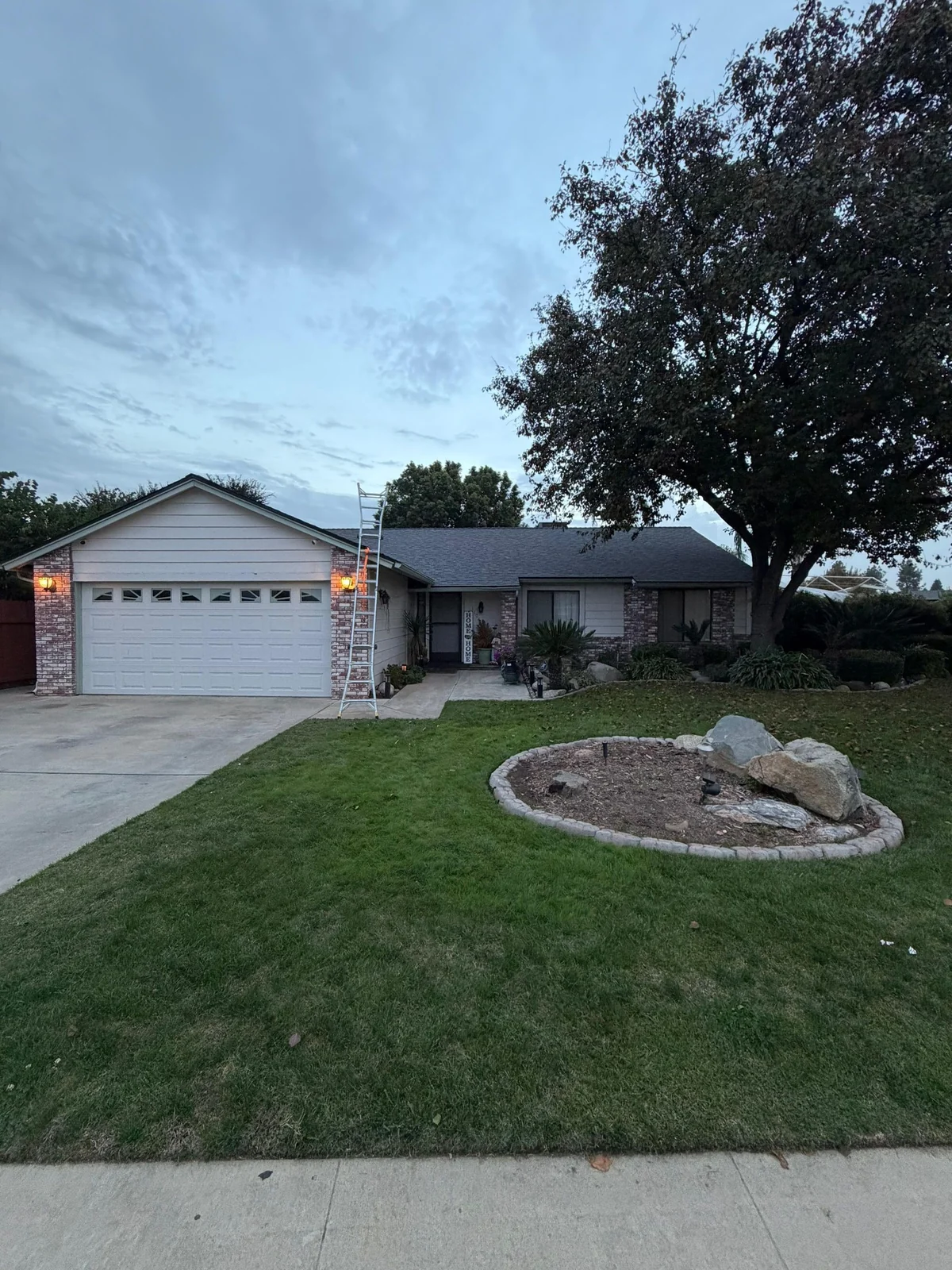
From a safe ground-level position, note missing or damaged shingles and cracked or displaced tiles that you can see. Record the approximate roof area and take a photo if practical. Avoid climbing onto the roof simply to obtain a closer image or count every defect; the arranged inspection can establish what access is appropriate.
Visible damage can involve more than the top layer. Buckled shingles may relate to underlayment or wood deck conditions, while a largely intact tile covering can still conceal underlayment or flashing work. The assessment should connect each observation to the component involved. Neither the number of damaged pieces nor a street-level appearance establishes the full repair scope.
- Identify the roof face or section using a simple location description that someone else can follow.
- Keep original dated photographs so later changes can be compared with the same reference.
- Note what could not be seen instead of describing unobserved areas as sound.
 A closer look at the roof in front of you.
Give roof details and drainage concerns context
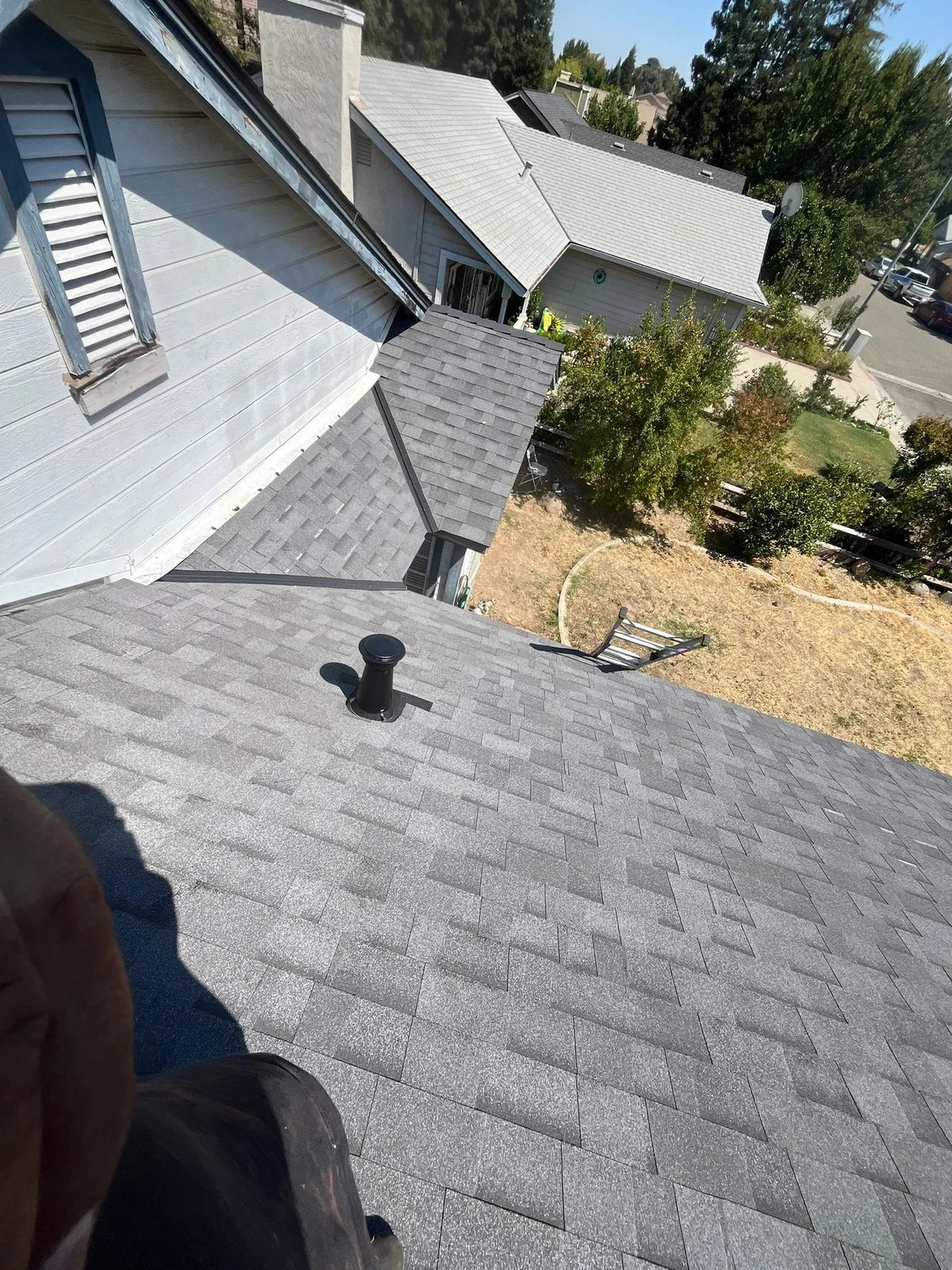
Connections around walls, pipes, skylights, equipment curbs and edges can matter to a leak investigation. On low slope roofing, seams and drainage also deserve review. If you have records of work near those areas, include them without assuming the activity caused the problem. The current condition still needs assessment.
Standing water is a reason to investigate drainage, but a photograph of it does not identify the complete remedy. A new surface alone may not change why water collects. Ask the roofer to explain the observed water path and whether a proposed repair addresses a covering defect, a drainage condition or both. Details should be described in relation to the actual roof material.
Make the observation record useful for an inspection
Gather any available installation information, product names, warranty documents and repair invoices. On a commercial property, combine reports from affected occupants and mark interior locations on a plan. Dates can help show whether several symptoms occurred together or represent different events. This organizes the history without treating separate ceiling marks as proof of separate entry points.
Before the visit, ask what roof and interior access may be useful and explain any restrictions. An assessment may be visual or may lead to further investigation when concealed layers matter. Request a distinction between observed conditions, possible causes and recommended next steps. A useful record helps the inspection ask better questions; it does not replace that inspection.
- List the symptom, location, date and any relevant weather or prior repair for each report.
- Attach available material and work records to the areas they concern.
- Ask which additional access or testing would resolve any uncertainty in the findings.
Decide on follow-up from the findings
Ask which conditions deserve prompt attention and whether any temporary measure is appropriate while permanent work is arranged. The purpose and limits of temporary protection should be explained. A contained defect may support repair, while wider deterioration may call for a larger comparison. The recommendation should identify the evidence behind it instead of treating every visible sign as proof that the entire roof needs replacement.
Keep the inspection findings and completed repair details with your observation record. If a symptom appears again, note whether it is in the same place and whether the timing differs. A visual review has access limits and cannot guarantee that the roof will never develop another leak. Follow-up care should reflect the actual assembly, its condition and the relevant maintenance requirements.
- GAF: Roof repair guidance
- ARMA: Plain facts about buckled shingles
- Eagle Roofing: Understanding tile roof underlayment
- GAF: Scheduled commercial roof maintenance checklist
General guidance helps you prepare. A recommendation for your property depends on its roof and the applicable product instructions.
Talk about your roof.
Waterproof Roofing serves Fresno, Madera, Visalia, Merced and Hanford, with additional service in Clovis and nearby communities. Call (559) 770 3064 to discuss your property.
Get a free estimate